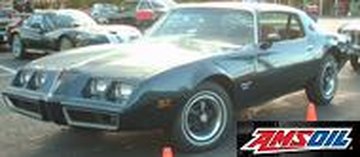
Maintaining Lubrication Standards for a 1981 Pontiac FIREBIRD 3.8L
Proper engine care for a vehicle of this era requires a focus on consistent monitoring and adherence to specific fluid requirements. For the 1981 Pontiac FIREBIRD equipped with the 3.8L engine, maintaining the integrity of the lubrication system is a fundamental aspect of long-term ownership. Because mechanical components age and environmental factors change, a proactive approach to maintenance helps ensure the engine operates as intended.Monitoring Fluid Integrity and Condition
One of the most effective ways to monitor the health of the 3.8L engine is through regular observation of the lubricant itself. The condition of the oil can provide significant clues regarding the internal state of the engine. When performing routine checks, it is useful to look for changes in the color or texture of the fluid. If the oil appears excessively dark or contains visible particulate matter, it may indicate that the service interval has been exceeded or that contaminants are present within the system. Furthermore, any unusual odor emanating from the crankcase should be investigated, as certain scents can be associated with internal combustion byproducts or thermal breakdown. Beyond color and smell, checking for the presence of moisture is a vital step. If the oil appears milky or cloudy, this can be an indication of coolant entering the lubrication system, which warrants immediate professional inspection. Consistent monitoring allows an owner to identify potential issues before they escalate into more significant mechanical concerns.Observing Potential Warning Signs
While many engine issues develop gradually, some symptoms require more immediate attention. For a 1981 Pontiac FIREBIRD, owners should remain vigilant regarding any changes in how the vehicle operates or sounds during startup and throughout its driving cycle. Visible signs of fluid seepage are primary indicators that gaskets or seals may be losing their effectiveness. If you notice oil accumulating on the underside of the engine or around various sealing surfaces, it is important to identify the source. While a small amount of seepage is not always an immediate cause for alarm, persistent leaks can lead to lower lubricant levels and subsequent operational risks. Additionally, any unusual mechanical noises that coincide with engine operation should be noted. Changes in the acoustic profile of the 3.8L engine—such as tapping or knocking sounds—can be associated with various lubrication-related factors. Because these symptoms can have multiple underlying causes, they should be treated as a prompt for a thorough diagnostic evaluation rather than an immediate diagnosis of a specific part failure.Prioritizing Maintenance Through Documentation
For owners of classic or older vehicles, establishing a clear maintenance baseline is one of the most practical steps toward responsible ownership. If you have recently acquired this FIREBIRD and do not have access to its previous service history, your first priority should be to document all current findings. Creating a comprehensive record of every oil change, filter replacement, and fluid inspection provides a roadmap for future service. This documentation helps in:- Distinguishing between new issues and long-standing conditions.
- Identifying patterns in lubricant consumption or leakage.
- Ensuring that no critical service tasks are overlooked due to a lack of historical data.
Managing Aging Components and Seals
As vehicles age, the materials used in various gaskets and seals may undergo changes in flexibility and composition. For an engine like the 3.8L, maintaining the integrity of these components is essential for preventing fluid loss. Rather than assuming a component will fail, it is more effective to perform periodic visual inspections. Look for signs of "weeping" or slow seepage around sealing areas. If you notice that a particular area is consistently damp with oil, it may be an indication that the seal is beginning to age. Furthermore, if the vehicle has been sitting for extended periods, it is beneficial to inspect all rubber-based components, such as hoses and belts (if equipped), for signs of cracking or glazing. Maintaining these peripheral systems helps ensure that the engine environment remains stable and that the lubrication system can function without interference from external leaks or cooling issues.Practical Steps for Long-Term Engine Care
Effective long-term maintenance is not just about reacting to problems; it is about creating a consistent routine that prevents them. For the 1981 Pontiac FIREBIRD, this means staying ahead of the natural degradation processes that affect older mechanical systems. One practical approach is to combine every fuel stop or routine inspection with a quick visual check of the engine bay. This allows for the early detection of small leaks or loose connections. Additionally, paying close attention to how the vehicle responds to different operating conditions can provide insight into its overall health. If you notice that the engine requires more frequent lubrication top-offs than it did previously, this is a clear signal to investigate the cause and adjust your maintenance frequency accordingly. By focusing on condition-based maintenance—addressing what is actually happening with the vehicle rather than following generic, arbitrary schedules—you can manage the 3.8L engine with greater precision and confidence.Guidelines for Buying Engine Oil for your 1981 Pontiac FIREBIRD 3.8L
When it is time to replenish or change the lubricant in your 1981 Pontiac FIREBIRD 3.8L, the most important step is to ensure the product matches the specific requirements of your engine. Do not rely on general automotive knowledge or assumptions based on the vehicle's age to select a grade. Instead, match the engine oil to the application-specific viscosity information already displayed on this page. Before making a purchase, carefully review the product labeling to confirm that the oil meets the necessary quality standards and certifications for your specific application. Depending on the current condition of your engine, you may encounter various options:- Conventional Formulations: Standard oils that have been used for decades.
- Synthetic Blends: A combination of conventional and synthetic oils.
- Full Synthetic Oils: Highly engineered lubricants often providing better thermal stability.
- High-Mileage Formulations: Some high-mileage oil formulations contain additives intended for use in aging engines, including seal-conditioning additives.